Ozempic Teeth: Why Saliva Matters and What toDo About It
Saliva is the mouth's protective blanket. Here is how to keep it.


What is Ozempic teeth?
Ozempic teeth is an informal name for what can happen in the mouth on GLP-1 medications such as Ozempic and Wegovy. When saliva drops, the mouth turns acidic: enamel breaks down, cavities form faster, and gum inflammation takes hold. The fix is a healthy oral environment, built on the same pillars as whole-body longevity.
Why does saliva matter so much?
Saliva is the mouth's protective blanket. When we are doing all the right moves (good home care, nutrition, sleep, and managing stress), saliva buffers acid, washes away food and bacteria, and delivers the minerals that keep enamel strong. It is one of the most underrated parts of oral health.
What do GLP-1 medications do to saliva?
When saliva drops, that protection disappears. GLP-1 medications like Ozempic and Wegovy can push things in that direction. Some people experience dry mouth. Many eat and drink less, which means less saliva flow and less water. And nausea, reflux, or vomiting can bathe the teeth in stomach acid.12
The result is an acidic, low pH environment in the mouth, and that is when all hell breaks loose:
- Teeth demineralize and enamel breaks down
- Cavities form faster, especially along the gumline
- The bacteria that drive gum inflammation take over
What does the research show so far?
Dry mouth is the most consistently reported oral side effect. Researchers think steady stimulation of GLP-1 receptors in the salivary glands may make them less responsive over time.1 There may be an upside, too: obesity and diabetes are major risk factors for gum disease, and laboratory and animal studies suggest these medications may help the gums. No clinical trial has tested that yet, so the evidence is still young.23
So, what do we do?
We create a healthy environment. And that happens the same way full-body longevity happens, because the mouth is part of the human body. It comes down to five pillars: motion, sleep, nutrition, stress management, and the fifth pillar, oral health.
1. Motion
Regular movement supports the metabolic health many people are pursuing with GLP-1s in the first place, and it improves circulation to every tissue, including the gums.
2. Sleep
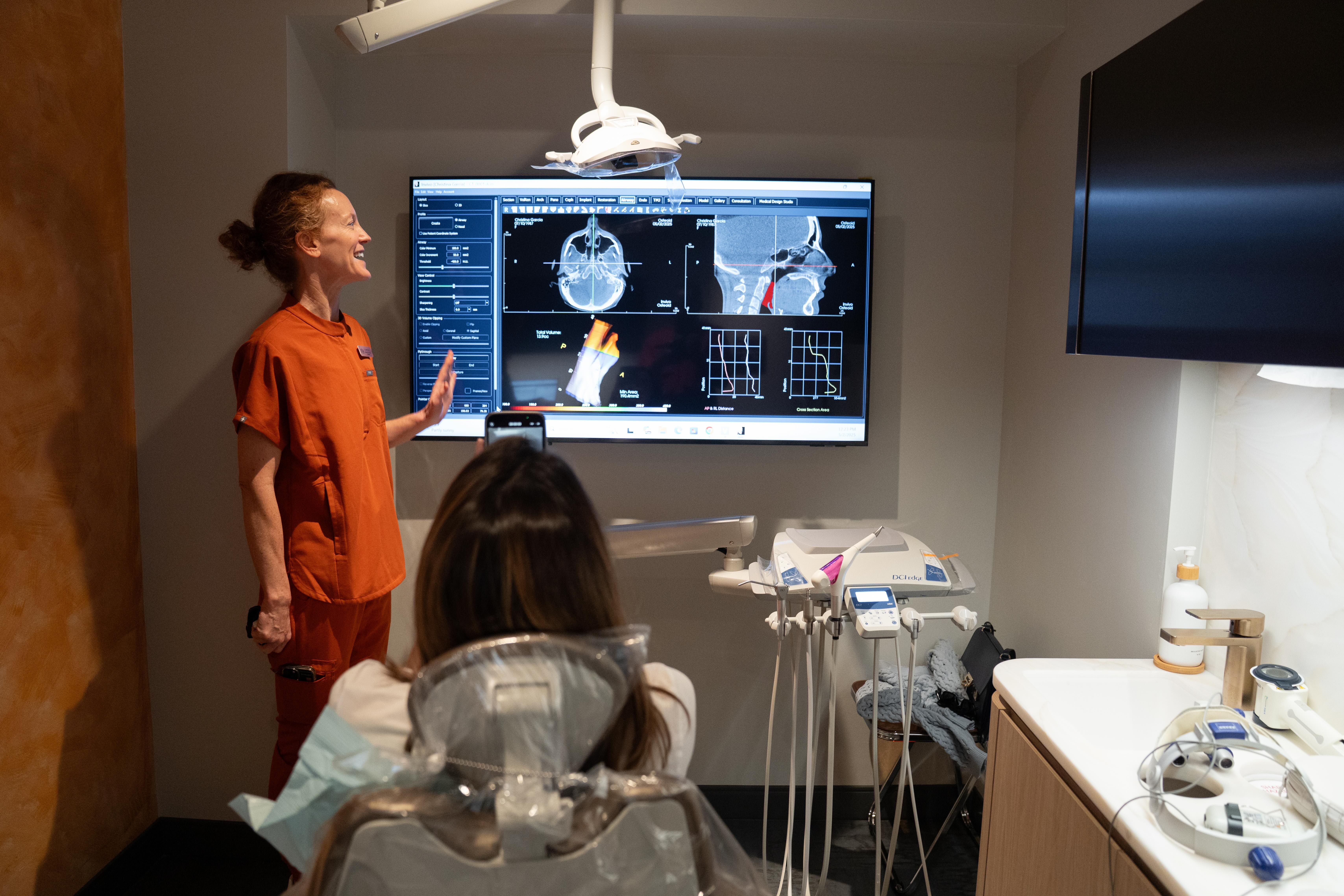
Breathe through your nose. Mouth breathing at night dries the mouth for hours. If you snore or wake with a dry mouth, tell your dentist; it may point to an airway issue worth looking at. Read more about breathing and sleep and airway dentistry.
3. Nutrition
Hydrate on purpose, because thirst and appetite cues can fade on these medications. Sip water throughout the day. Prioritize protein and mineral-rich foods. Limit acidic drinks like soda, sports drinks, and citrus, and avoid sipping them slowly over hours. Sugar-free xylitol gum or mints can help get saliva flowing.
4. Stress management
Stress reduces saliva and drives clenching and grinding. Breathwork, movement, and real downtime protect your teeth as much as your mind.
5. Oral health
Brush twice daily with fluoride toothpaste and ask your dentist about prescription-strength fluoride. If you vomit or have reflux, rinse with water (or a little baking soda in water) and wait about 30 minutes before brushing, so you do not scrub softened enamel.4 Choose alcohol-free rinses. Consider more frequent cleanings while you are on the medication.
Most important: tell your dentist you are taking a GLP-1. It changes what we look for and how we protect you.
At Smile House, we look at saliva, gums, and enamel as part of Mouth Mapping®, so we can see what is changing and act early. If you are starting a GLP-1 medication, it is a good moment for a baseline. If blood sugar is part of the picture, read how gum disease and diabetes affect each other.
The information in this article is drawn from peer-reviewed scientific literature and is intended for educational purposes only. It does not constitute medical advice or clinical recommendations. If you take a GLP-1 medication, talk with your prescribing physician before making any changes.
If you would like a longevity-focused oral evaluation, our team would be honored to guide you. You can book online, call or text Smile House Tribeca at (212) 725-1111, or call JBL New York City on the Upper East Side at (212) 734-6111.
These medications can be life changing for overall health. With the right plan, your mouth does not have to pay the price.
Dr. Jonathan B. Levine, DMDQuick answers.
Does Ozempic rot your teeth?
No. The medication does not attack teeth. But when saliva drops and acid rises, the risk of cavities and enamel breakdown goes up, which is why it is worth telling your dentist.
What does Ozempic teeth mean?
It is an informal term for the dry mouth, enamel breakdown, cavities, and gum inflammation some people develop on GLP-1 medications. It is not a medical diagnosis.