Gingivitis vs. Periodontitis: What Is theDifference?
One can be reversed. The other can be stopped.


What is the difference between gingivitis and periodontitis?
Gingivitis is inflammation of the gums alone. Periodontitis is when that inflammation has become chronic and started to destroy the ligament and bone that hold the teeth. Gingivitis can be reversed with good care. Periodontitis can be stopped and managed, but the bone it has already taken generally does not come back.
Most people use the two words interchangeably. They are not the same, and the difference matters for your teeth and for the rest of your body.
What is gingivitis?
Gingivitis is the first stage. Bacteria at the gumline cause the gum tissue to become inflamed: red, puffy, and quick to bleed when you brush or floss. The deeper structures, the ligament and the bone, are still intact.2
This is the stage where you have the most control. With thorough daily cleaning and professional care, gingivitis can resolve completely.2
What is periodontitis?
Periodontitis is what happens when the inflammation moves deeper. The body's response to the infection begins to break down the ligament and bone around the teeth. The gum loses its grip, pockets form, and the teeth gradually lose support.1
It is common. Roughly four in ten American adults over 30 have some form of periodontitis, and most do not know it.3
What changes when gingivitis becomes periodontitis?
When gingivitis goes unchecked, the inflammation becomes chronic. The bacteria change, too. A manageable population gives way to a more destructive one, what we call pathogenic bacteria.5
Much like leaky gut, we now have leaky gums. The gum tissue no longer seals around the tooth, and bacterial byproducts called endotoxins pass into the body, where the immune system treats them as foreign invaders. One of the most studied bacteria, P. gingivalis, also releases destructive enzymes called gingipains.56
Think of the body as a castle. Healthy gums are its walls. In periodontitis, the walls are breached, and the body is fighting an invading army every single day.
How can you tell them apart?
Not by how your gums look or feel. Both can bleed. Both can be painless. The difference is underneath, and it takes measurement to see it:
- Pocket depth. Gingivitis usually leaves the space between gum and tooth shallow. Periodontitis deepens it.
- Attachment loss. In periodontitis, the gum and ligament have lost part of their hold on the tooth. In gingivitis, they have not.
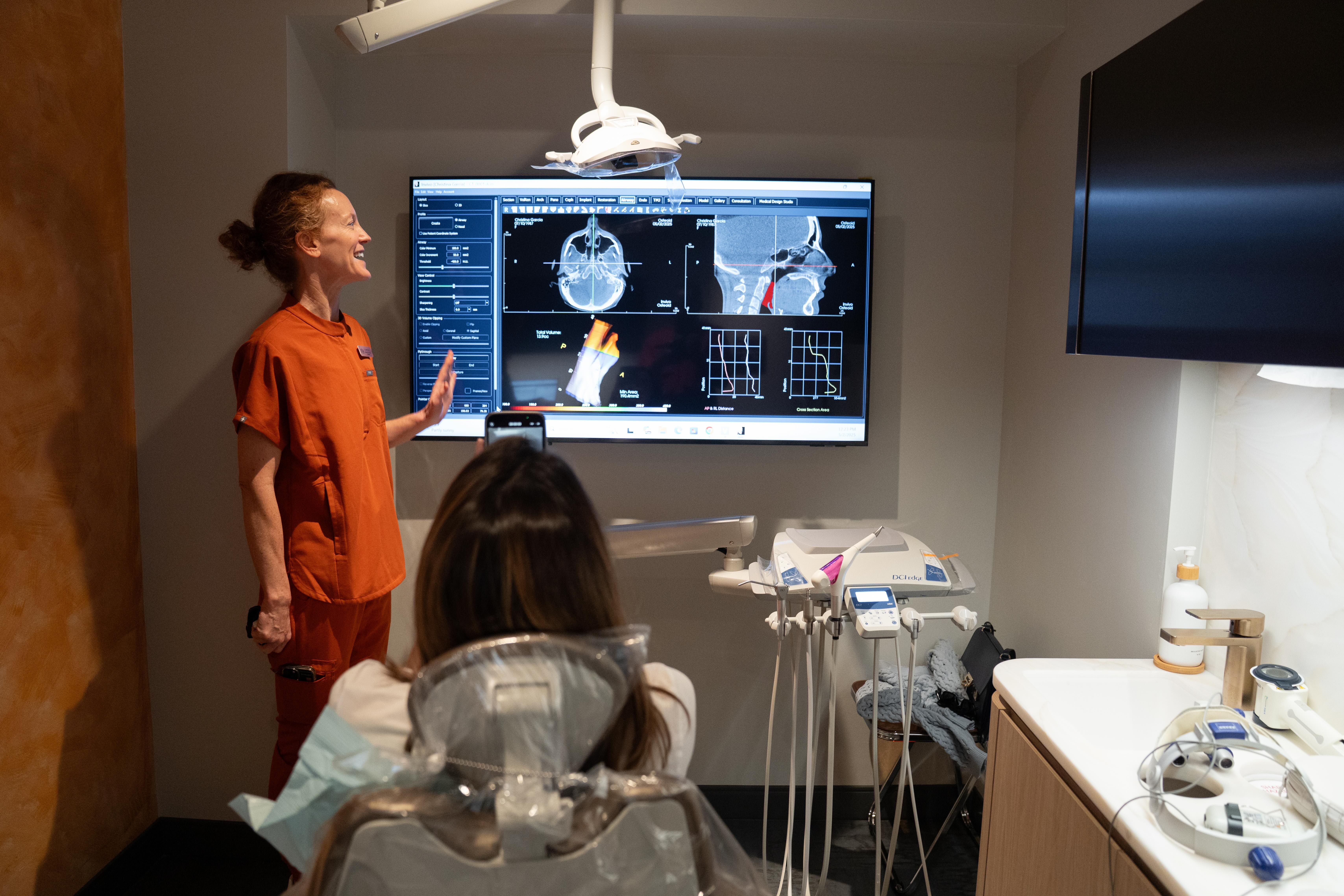
- Bone on an X-ray. Periodontitis shows bone loss. Gingivitis does not.1
That is why the periodontal chart, six measurements around every tooth, is the most important test you may never have had.
Can gum disease be reversed?
Gingivitis, yes. Periodontitis, partly.
Once periodontitis has destroyed bone, treatment focuses on stopping it: deep cleaning below the gumline, careful home care, and closer follow-up. In some cases, regenerative procedures can rebuild part of what was lost. The earlier it is found, the more you keep.
Why does the difference matter beyond your mouth?
Periodontitis is a chronic infection that keeps sending inflammatory signals into the bloodstream. It has been associated with heart disease, diabetes, and cognitive decline, though an association is not proof of cause.4 I have written about each: the heart and blood sugar, the brain, and diabetes.
What should you do?
- If your gums bleed, keep cleaning gently. Here is why bleeding matters.
- Ask for a full periodontal chart at your next visit.
- If you have periodontitis, ask how often you should be re-measured.
At Smile House, a full gum evaluation is part of every Mouth Mapping® visit, and our gum health team treats both stages.
If you would like a longevity-focused oral evaluation, our team would be honored to guide you. You can book online, call or text Smile House Tribeca at (212) 725-1111, or call JBL New York City on the Upper East Side at (212) 734-6111.
Gingivitis is a warning. Periodontitis is a diagnosis. The space between them is where we can do the most good.
Dr. Jonathan B. Levine, DMDQuick answers.
Is gingivitis the same as gum disease?
Gingivitis is the earliest form of gum disease. Periodontitis is the more advanced form, in which the bone and ligament around the teeth have been affected.
Does gingivitis always turn into periodontitis?
Not always. But periodontitis starts with inflammation of the gums, so treating gingivitis early is the best protection.