When should my child first see a dentist?
+
By their first birthday, or within six months of the first tooth, whichever comes first. The first visit is short, gentle, and mostly for you: we map risk early, answer your questions, and make the dentist a normal, happy place from the start.
How long is the first visit, and what should we bring?
+
Plan on up to an hour, so no one feels rushed. If your child has seen another dentist, please send us their past X-rays and records before the visit, so the time goes to your child, not to paperwork. When you book, you can also tell us a little about your child, so our doctors know them before they meet them. Bring a list of medications, your pediatrician's name, their favorite stuffy or comfort toy, and every question on your mind.
Will my child have a cleaning or X-rays at the first visit?
+
Every first visit includes an exam and a cleaning suited to your child's age, plus a protective fluoride varnish if you'd like it (a thin coating painted onto the teeth that helps strengthen enamel). For babies and toddlers, that means a gentle toothbrush cleaning and plenty of time with you. Once the back teeth start to touch, we check between them with a radiation-free cavity scan, and add X-rays only when needed, usually starting around age 4 or 5, using low-radiation digital imaging.
How do I know if my child has a tongue tie?
+
Trouble latching or feeding in infants; later, speech sounds, messy or slow eating, mouth breathing, or a tongue that can't reach the roof of the mouth. We assess how the tongue functions, not just how it looks, and if a release would genuinely help, we do it gently with a laser, right here.
Is mouth breathing really a big deal?
+
It can be. Chronic mouth breathing is linked to disrupted sleep, daytime focus issues, and changes in how the face and jaw grow. It's also very treatable when caught early, which is exactly why airway screening is built into every Mouth Mapping Jr.® visit.
We're careful about fluoride. Do we have a say?
+
Always. Many of our families ask, and it's a good question. We'll explain what each option does, why we might recommend it for your child, and what the alternatives are, then decide together. Nothing happens without your okay.
My child is terrified of the drill. What are the options?
+
Our philosophy is drill-free first. Early decay can often be rebuilt with a peptide gel (Curodont) or stopped with silver diamine fluoride (SDF), a liquid brushed onto the tooth, with no drilling at all. When treatment is needed, we use the gentlest effective tool, a comfort menu, and your child's pace. Safe sedation is available for complex care.
When should we think about braces or aligners?
+
We track jaw growth from the toddler years, so you'll never face a surprise ortho conversation. Some children benefit from short, early guidance while the jaw is still growing; many are better served by waiting. Because we see the whole timeline, the timing is chosen, not rushed, and alignment is always planned around breathing and facial growth, not just straight teeth. Our in-house orthodontist works alongside your child's pediatric dentist, so expansion and early braces are planned by one team.
How do you make visits comfortable for nervous kids?
+
Every visit is kid-paced and never forced, and parents are welcome chairside. We offer a comfort menu that runs from take-it-slow visits and gentle laughing gas (nitrous oxide) to deeper sedation for complex care. Your child's nervous system sets the pace.
What does dental longevity mean for a child?
+
It means the habits, airway and bite your child builds now set them up for the next eighty years. So we coach you, not just your child: what to watch, what to do and what to ignore, stage by stage, with gentle guidance on habits like tongue posture, chewing and swallowing when the timing is right.
What do kids take home after a visit?
+
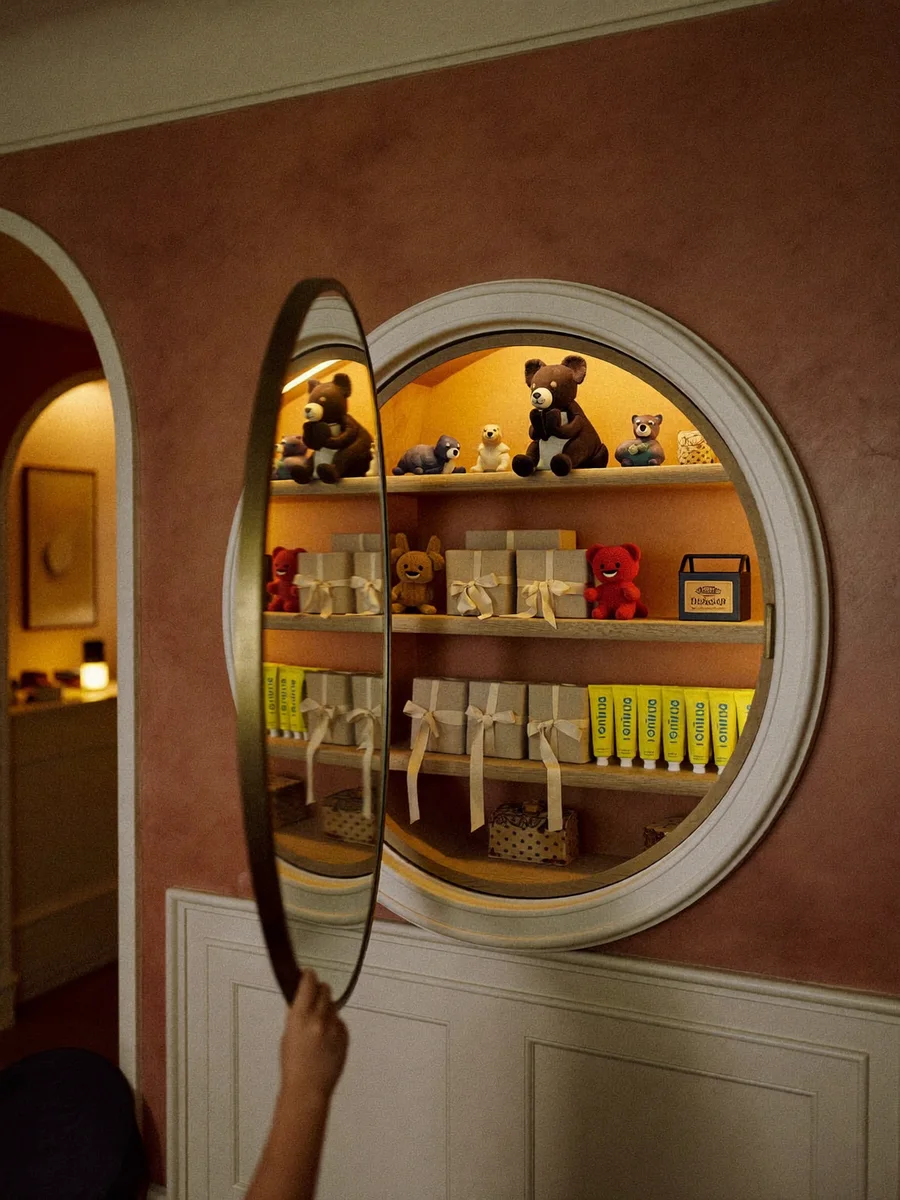
Every child chooses a gift from our Treasure Wall, plus their own toothbrush, a note from their doctor and a Smile Passport stamp. Gifts are age appropriate and we never give candy.
Do you take over from our current pediatric dentist, and until what age?
+
Yes. We'll request records and pick up seamlessly, from infancy through the teenage years. And because Smile House cares for the whole family under one roof, at eighteen your child graduates into our adult dental longevity practice without ever changing homes.
Do you take insurance? How does payment work?
+
Smile House is fee for service, so payment is made at the time of your visit, and we accept CareCredit if you'd like to spread the cost. We also work with an insurance administration partner who submits your child's visit to your carrier on your behalf, to help you make the most of your benefits and get reimbursed to whatever extent your plan allows.
Can I book siblings together, or a visit for myself?
+
Yes to both. We book siblings back to back so it's one trip, and because Smile House cares for adults too, you can see us the same day. Just mention it when you book.
Do you have after-school appointments?
+
Yes. Our Tribeca studio is open until 6pm on Wednesdays and 7pm on Thursdays. Hours: Monday and Tuesday 9am to 5pm, Wednesday 9am to 6pm, Thursday 11am to 7pm, Friday 9am to 5pm.
What should I do in a dental emergency?
+
Call us right away at
(212) 725-1111. For pain, swelling, or a chipped or knocked-out tooth, we'll see your child as quickly as we can. If an adult tooth is knocked out, hold it by the crown, keep it in milk, and come straight in.